Fast Drying Lash Adhesive - A Lash Glue Guide

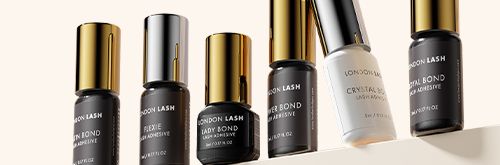
Power Bond is a high-performance lash adhesive with a 0.5-1 second drying time, delivering ultra-strong retention with a thin, controlled consistency ideal for experienced lash artists.
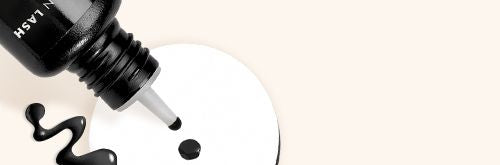
PRO TIP! Due to its exceptionally thin consistency, pay close attention to your glue bead size to avoid reduced retention from insufficient adhesive pickup.

Who is Power Bond for?
Designed for advanced professional lash artists. This adhesive is not suitable for beginners or intermediate lash technicians.
What is Power Bond?
A top-tier, high-strength cyanoacrylate-based adhesive known for its unmatched versatility in fluctuating salon environments.
When should you use it?
Use when you need to slash your treatment times and provide your clients with maximum durability, regardless of the season.
Why should you use Power Bond?
It offers maximum resistance to oil and water, ensuring eyelash extensions remain locked in place, even for clients who sleep face-down or have more active lifestyles.
How to get the best lash retention with Power Bond?
To unlock maximum retention, you must manage your environment and adhesive drop. If you experience poor retention, check this professional guide:
Struggling with fast-drying lash extension adhesive? Consider a mentoring session with a London Lash Approved Trainer.
Power Bond is engineered for precision and performance. Its thin, syrup-like viscosity allows for a clean, clump-free application, while the extremely fast curing speed enables artists to work with efficiency and confidence.
Technical Specifications:
Which glue dries the fastest?
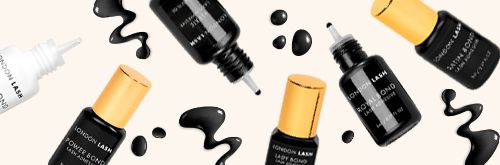
The quickest-drying adhesives in our range are Power Bond, Royal Bond and Swift Bond, each curing in 0.5–1 second when used within their ideal temperature and humidity conditions.
Power Bond performs best at 18–22°C and 50–65% humidity. Royal Bond performs best at 18–22°C and 30–80% humidity. Swift Bond performs best at 18–22°C and 40–85% humidity.
Bear in mind that higher humidity levels will speed up the curing process of any adhesive. Please be aware that these are ultra-fast adhesives and are intended for use by HIGHLY EXPERIENCED technicians only. Using fast-curing adhesives incorrectly can lead to retention issues.
How do I choose the right glue?
Selecting the ideal lash adhesive depends on several personal factors. If you are newer to lashing, a slower-curing option such as Lady Bond or Satin Bond will likely suit you better. Browse our glue comparison table for a full breakdown to help guide your decision.
For the most accurate recommendation, you will need to know:
Your working room temperature
Your room humidity level
How quickly you place the extension onto the natural lash after dipping
Investing in a hygrometer is a great way to keep track of your usual room conditions.
For further guidance, reach out to our customer care team at info@londonlashpro.com
Which adhesive is suitable for clients with sensitive eyes?
All of our adhesives share the same active ingredient — cyanoacrylate. Most allergic reactions are triggered by exposure to cyanoacrylate fumes. Once a client has experienced a reaction, they are likely to remain sensitive to it, which is why we strongly advise against performing a treatment on anyone who has previously reacted to lash adhesive or is showing early signs of a reaction.
Carrying out a treatment on a client with known contraindications could affect your professional insurance cover.
For clients who experience only mild sensitivity to fumes, applying Superbonder at the end of the treatment may help to reduce discomfort. You can also use the Glamcor Flow to draw fumes away from the client's face and improve the air quality around them.
My adhesive is curing too slowly. What should I do?
Your room environment may be slowing down the adhesive's polymerisation. Try increasing the humidity in your space and adjusting the temperature to encourage faster curing. Applying Booster to the lash strip can also help to accelerate polymerisation and support better retention.
We highly recommend using a hygrometer to monitor your room conditions and ensure you are working within the optimal range for your chosen adhesive.
Here are some simple ways to raise humidity in your lash space:
It is also worth considering whether your lashing speed has improved over time — if so, your current adhesive may simply be too slow for you now. Trying a faster-curing option could make all the difference. Explore our Lash Glue Samples to test before you commit!
Why has my glue become thick and gloopy?
A change in consistency is most commonly caused by improper storage or handling of the bottle. Run through this checklist to help prevent it:
If you need further support, contact us at info@londonlashpro.com with your order number and a description of the issue.
Why are my volume fans closing?
The most common cause of closing fans is an adhesive that is curing too slowly for your working pace. Start by reviewing the recommended room conditions for your adhesive and adjust your temperature and humidity accordingly. Using Booster on the lash strip before picking lashes to create your fans can help control the bonding process and keep fans open.
Please note: Booster should only be applied to the lash strip, never directly to the natural lashes.
Also check how much adhesive you are picking up, too much glue on the lash can contribute to fans closing.
How do I keep my glue nozzle clean?
After each use, wipe the nozzle with a lint-free glue nozzle wipe. Keep the bottle upright and give it a gentle squeeze to clear any residue from the nozzle. When shaking by hand, remove the cap first and cover the nozzle with a wipe to stop glue from becoming lodged in the cap. If using a glue shaker, keep the bottle in an upright vertical position and wipe the nozzle straight after.
Important: Never use cotton pads, cotton wool, tissues, or any fibrous materials on the nozzle. Cotton fibres can react with cyanoacrylate adhesives, potentially causing rapid curing, heat build-up, or a flammability risk. Always use lint-free nozzle wipes only.
For full storage guidance, visit our Glue FAQ blog.
What is the shelf life of the adhesive?
Unopened, our adhesives have a shelf life of 6 months from the production date, which you will find printed on the base of the bottle or on the foil pouch it came in.
Once opened, we recommend replacing your bottle every 4 weeks for optimum retention, with 8 weeks being the absolute maximum. A simple way to track this is to stick a piece of tape on the bottle and write the date you opened it.
Please note that 2ml sample-size adhesives should be used within 5 days of opening, which differs from the guidance for our standard 5ml bottles.
My nozzle is blocked. What can I do?
Replacement nozzles are available to purchase separately. If the nozzle has become fused to the cap, our Glue Rescue Kit is designed to help. For quick and clean nozzle changes, the Glue Nozzle Opener is a handy tool to have in your kit.
To avoid blockages going forward, clean your nozzle after every use, store your adhesive correctly, and avoid squeezing the bottle to dispense glue.
There is a white residue on my glue bottle. What is it?
The white residue is adhesive that has polymerised rapidly due to contact with moisture. This typically happens when the glue has not been stored correctly or the cap has not been fully secured. Always keep your adhesive in an airtight container away from direct sunlight, and make sure the cap is properly closed after every use.
My glue looks clear. Is that normal?
Before each use, shake your adhesive for at least 1–2 minutes to ensure all ingredients are properly combined. Using a Glue Shaker will reduce the time needed. Unless you are working with Crystal Bond (which is naturally clear), your glue drop should always appear black with no transparent streaks. Remember to shake the bottle not just at the start of the day, but each time you refresh your glue drop.
How should I store my adhesive correctly?
Before opening: To extend shelf life, your adhesive can be stored in the fridge while it remains sealed in its original vacuum packaging. Keep it in the vacuum pack right up until you are ready to use it.
After opening: Once opened, do not refrigerate. Store at room temperature in an airtight container, away from heat, sunlight, and humidity. Always keep the bottle upright to prevent leakage and maintain consistency. Correct storage is essential for preserving the performance and lifespan of your adhesive.
How do I safely remove lash extensions?
Lash extension removal should always be carried out by a qualified professional using products formulated specifically for professional use. Never attempt to pull, force, or peel extensions off, as this risks damage to the natural lashes and surrounding skin.
We recommend using a dedicated professional remover such as our Cream Remover or Gel Remover, both of which are designed to gently break down the adhesive bond for safe, controlled removal without placing unnecessary stress on the natural lashes.
Always work in small sections, follow correct removal techniques, and ensure the client's eyes are fully protected throughout. For a step-by-step walkthrough, visit our blog.